In-Depth Analysis of the Precious Metals Market: The Interplay of Safe-Haven Value, Consumer Demand and the Macro Economy
Introduction
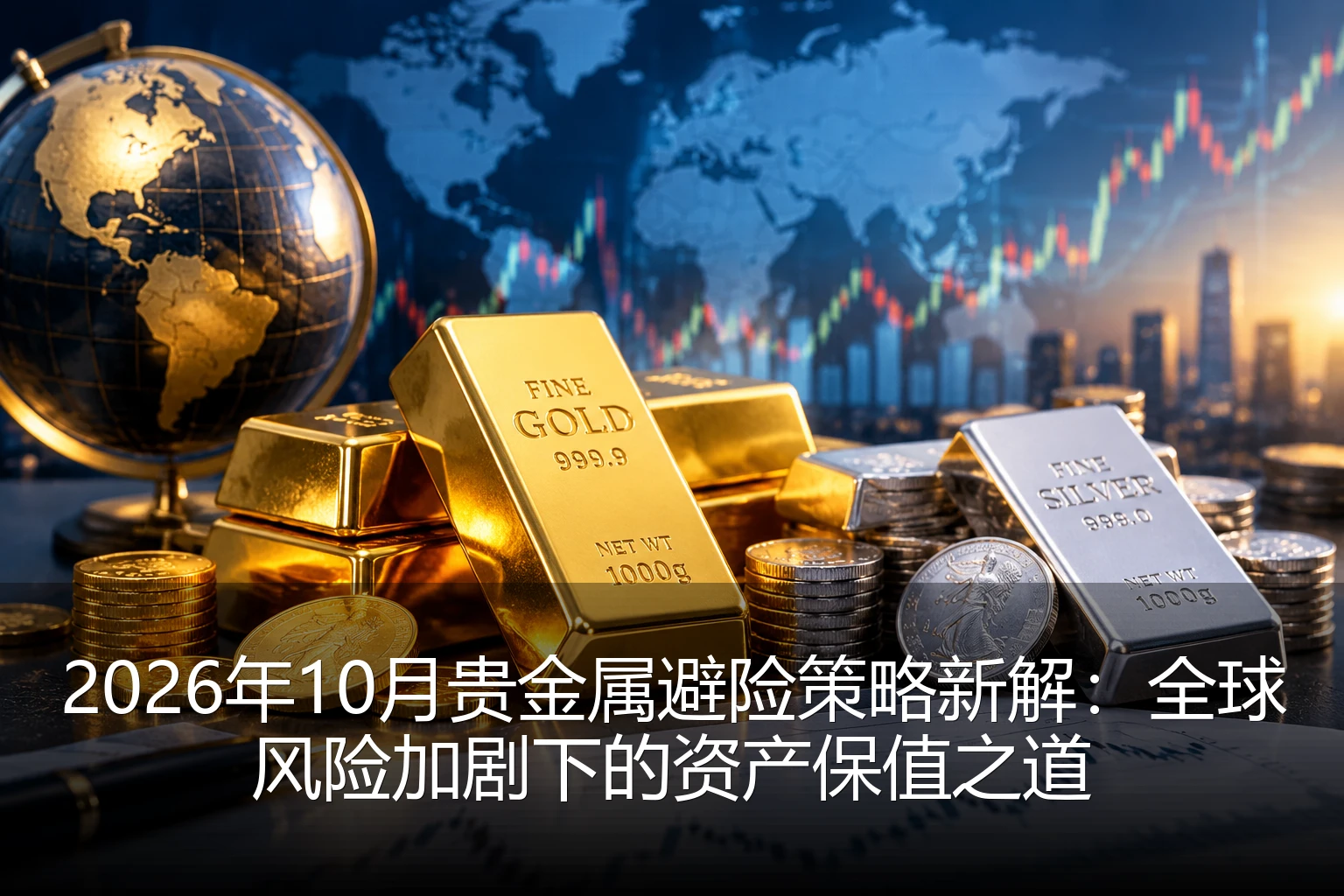
Against a backdrop of heightened global macroeconomic volatility and frequent geopolitical risks, precious metals, as traditional safe-haven assets and industrial raw materials, remain a focal point of financial markets. Gold, silver, platinum and palladium not only carry thousands of years of monetary and cultural functions, but also play irreplaceable roles in modern technology, new energy and consumer electronics. This article provides a systematic analysis of the precious metals market from four dimensions—supply-demand structure, investment logic, consumption trends and macroeconomic impact—in order to offer professional reference for investors and industry decision-makers.
1. Financial Attributes and the Reframing of Safe-Haven Value
The core value of precious metals is rooted in their scarcity, chemical stability and historical monetary attributes. In the context of global quantitative easing since 2020, inflation pressure and frequent geopolitical conflicts, gold's status as the "ultimate currency" has continued to strengthen. International gold prices repeatedly broke historical highs in 2024, driven by factors including lower real U.S. interest rates, record central-bank gold purchases and investor concerns about sovereign credit risk.
From central bank behavior, global central banks bought a net 1,037 tons of gold in 2023, the second-highest level on record. Central banks in China, Poland, Singapore and other countries continued to increase gold reserves to diversify foreign-exchange risks and strengthen confidence in their currencies. This trend continued into 2024-2025 and has become one of the core supports for gold prices.
Silver, meanwhile, has both financial and industrial properties. Its price swings are usually larger than gold's, earning it the nickname "the poor man's gold." Demand in photovoltaics, 5G communications, new energy vehicles and other sectors continues to grow, giving silver not only a safe-haven function but also the character of a growth asset. Platinum and palladium are more influenced by automotive catalysts and chemical-industry supply-demand conditions, with palladium seeing a significant rebound in 2024 due to supply shortages.
2. Supply and Demand: Constrained Mine Supply and Diverging Consumption
On the supply side, precious metals face structural constraints such as declining ore grades, rising environmental costs and long development cycles for new mines. Take gold as an example: global gold mine output peaked in 2018 and then entered a plateau phase, at about 3,644 tons in 2023 and expected to edge lower in 2024. Production in traditional gold-producing countries such as South Africa and Ghana has declined, while China, Australia and Russia remain major suppliers. In recent years, small and mid-sized miners have had limited new capacity because of insufficient capital expenditure.
Silver supply is also under pressure. About 70% of silver comes from byproduct ores such as lead-zinc, copper and gold, so output depends on the production pace of the main metals. Global silver output in 2024 was about 26,000 tons, with only limited year-on-year growth. At the same time, demand for silver paste in photovoltaics and silver used in electronic components has been growing at double-digit rates, widening the supply gap. For palladium, production at major miners such as Norilsk Nickel in Russia and Anglo American Platinum in South Africa has been affected by power shortages and strikes, intensifying market tightness.
Consumer demand shows clear regional divergence. Asian markets, especially China and India, remain the main engines of demand for gold jewelry and investment products. In China, amid low interest rates and weak confidence in real estate, consumers view gold as a wealth-preservation tool. In 2024, gold jewelry consumption declined somewhat, but demand for gold bars and coins for investment rose against the trend. India's wedding-season rigid demand, combined with lower import tariffs, pushed its gold imports to the highest level in nearly five years.

Figure 1: A New Wave in Asia's Consumer Market — Emerging consumption formats and household wealth reallocation
The image above shows new low-cost buffet hotpot formats emerging in Asia, reflecting consumers' pursuit of value for money and experience. This shift in consumer mindset also affects the precious-metals retail sector: gold chain brands are attracting younger customers with lighter, more fashionable products, while gold recycling and trade-in services are becoming increasingly active.
3. New Consumer Formats and Cross-Industry Links to Precious Metals
In recent years, Asia has seen many consumer models marketed on "high value for money," such as the 59 yuan shrimp-dumpling buffet hotpot and chain snack collection stores. At first glance these formats seem unrelated to precious metals, but in reality they reflect a coexistence of consumption downgrading and structural upgrading amid slower growth in disposable income. Consumers are becoming more cautious about non-essential purchases, yet they are more inclined toward gold, which has wealth-preservation properties.

Figure 2: The 59 yuan shrimp-dumpling buffet hotpot — a typical example of consumption downgrading and experience upgrading
This divergence in consumer behavior is further blending the "consumption" and "investment" attributes of precious metals. For example, retail channels for gold bars and coins are reaching lower-tier cities through e-commerce platforms; gold jewelry brands are rolling out promotions such as "zero craftsmanship fees" and "trade in old for new" to capture everyday wear demand. Silver jewelry is also benefiting from the spread of guochao (Chinese trend) culture, especially in Southeast Asian and Japanese/Korean markets, where the social appeal of silver accessories is strengthening.
More importantly, price fluctuations in the food industry also indirectly affect precious-metal-related supply chains. Ketchup companies have suffered losses because cost transmission is not smooth, forcing them to dump inventory at low prices. Behind this lies a chain reaction from upstream commodity-price volatility, including precious metal catalysts.

Figure 3: Ketchup industry difficulties — squeezed by upstream cost pressure and weak downstream demand
Although ketchup has no direct link to precious metals, this case illustrates a common phenomenon in commodity markets: cost pass-through failure. In industrial applications of precious metals (such as petrochemical catalysts and plating for electronic components), downstream firms also face pressure to cut costs and reduce procurement when end demand is weak. For example, the amount of platinum-group metals used in automotive catalysts is affected both by declining auto sales and by replacement technologies for ternary precursors.
4. Macroeconomic Variables and the Outlook for Precious-Metal Prices
Looking ahead, precious-metal prices will mainly be influenced by the following factors:
Real U.S. interest rates and the Fed policy path. The market generally expects the federal funds rate to be cut gradually in 2025. A weaker dollar would directly benefit dollar-denominated precious metals. Historical data show that gold prices are significantly negatively correlated with real interest rates, and gold often performs well during rate-cutting cycles.
Inflation expectations and credit risk. Global sovereign debt levels continue to rise, and the risk of fiscal deficits getting out of control in major economies is increasing. As a physical asset with no credit risk, gold's role in hedging tail risks is irreplaceable in scenarios such as bond defaults and currency devaluation. Potential escalation of geopolitical conflicts (such as in the Middle East and Ukraine) will continue to stimulate safe-haven buying of gold.
Changes in industrial demand structure. Silver's penetration into the new-energy sector is accelerating. According to the IEA, global new photovoltaic installations in 2025 are expected to exceed 500 GW, requiring about 22,000 tons of silver—more than 80% of annual silver supply. Palladium, by contrast, faces a long-term demand decline due to the replacement of gasoline vehicles by EVs; although hydrogen fuel-cell vehicles may create incremental demand in the short term, the scale is limited.
Investor sentiment and capital flows. ETF holdings, net long futures positions, and investment demand in India and China should be closely monitored. Global gold ETFs saw a slight net outflow in 2024, but that was offset by central-bank gold buying. If market risk appetite falls in 2025, ETF inflows may return.
Overall, gold prices in 2025-2026 are likely to fluctuate at high levels in the US$2,000-US$2,500/oz range, silver is expected to be relatively strong thanks to photovoltaic demand, and the gold-silver ratio may fall from around 85 to 70-75. Platinum is expected to rise moderately due to auto-sector recovery and supply constraints in South Africa. Palladium, meanwhile, faces clear structural headwinds from the demand side and will likely remain under pressure.
5. Investment Strategy and Risk Warnings
For different investors, the allocation logic for precious metals differs.
- Long-term asset allocators: It is recommended to include gold at 5%-10% of a portfolio to reduce overall volatility through its low correlation with stocks and bonds. This can be done via gold ETFs, bank gold accumulation plans, or physical gold bars.
- Short-term traders: Pay attention to Fed rate decisions, non-farm payrolls, CPI data and catalysts such as Middle East tensions. Silver and platinum, with their greater volatility, are suitable for investors with higher risk tolerance who trade futures or CFDs.
- Industry participants: Jewelry retailers should reduce inventory turnover days and use gold leasing or forward transactions to lock in costs. Silver-using companies (such as photovoltaics and electronics firms) are advised to sign long-term supply agreements or use futures hedges.
Main risks include: an unexpectedly hawkish Fed that strengthens the dollar, stronger-than-expected global growth that suppresses safe-haven demand, capital diversion into cryptocurrencies, and supply increases from breakthroughs in precious-metal recycling technology.
Conclusion
The precious metals market stands at a crossroads of historical and structural change. On the one hand, its traditional safe-haven function is being reexamined in an uncertain era; on the other hand, emerging industrial demand is injecting growth momentum. The new wave in Asian consumer markets, the trough in the food industry, and the pain of commodity price transmission all seem unrelated, but they are fundamentally tied to the global monetary environment and supply-demand rebalancing. Investors need to step beyond short-term price swings and understand the role of precious metals in asset allocation from a broader perspective in order to capture certainty amid volatility. Over the next decade, precious metals will not merely be a "golden safe harbor"; they will also be indispensable collateral in the reconstruction of the human credit system amid green transition and the shock of digital currencies.