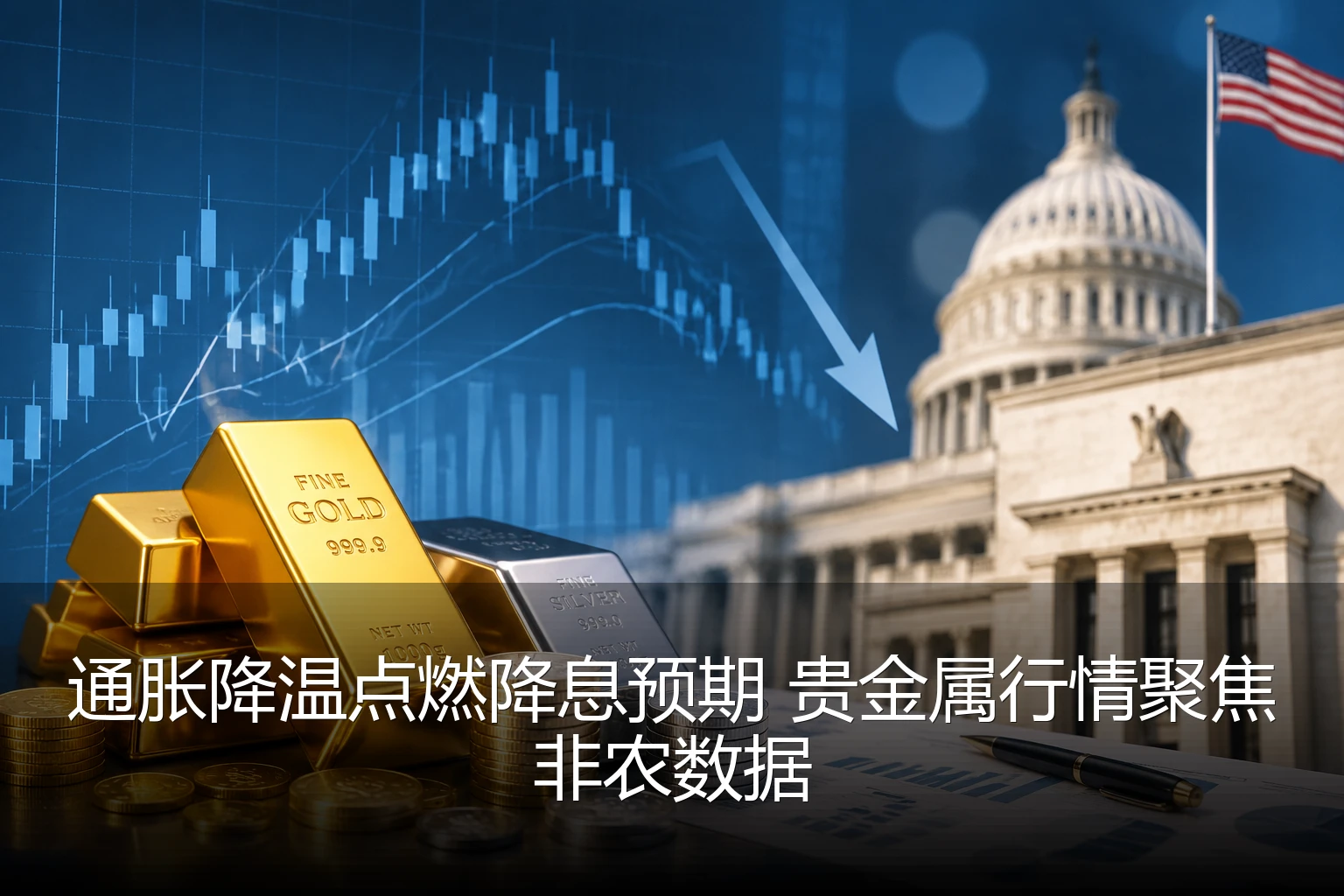
Friday (July 31), data released by the US Department of Commerce showed that the year-on-year increase in the Personal Consumption Expenditures (PCE) price index in June slowed to 2.3%, and the core PCE price index rose by 2.4% year-on-year, both lower than market expectations. This data strengthened the Fed's expectation of interest rate cuts this year, and the precious metals market immediately received upward support. Spot gold closed at $2382 per ounce, with a weekly increase of 0.8%; spot silver performed even more impressively, closing at $31.6 per ounce, with a weekly increase of 2.1%. Platinum and palladium, however, weakened slightly due to weak demand in the automotive industry.
Inflation cooling strengthens rate cut expectations, gold benefits significantly
The PCE price index is the inflation indicator most watched by the Fed. This data being lower than expectations indicates that US inflation pressure is gradually easing. The probability of the Fed cutting rates in September rose from 72% before the data to over 85%. Interest rate futures show that there may be three cumulative rate cuts this year, each of 25 basis points.
Gold, as a zero-interest asset, is extremely sensitive to changes in real interest rates. The expectation of rate cuts means that the opportunity cost of holding gold will decrease, which has become an important logic driving gold prices higher. The US dollar index fell by 0.3% after the data was released, further boosting dollar-denominated gold and silver.
Silver is highly elastic, driven by both industrial and financial attributes
Silver's performance this week was stronger than gold's, with the gold-silver ratio falling from 75.5 at the beginning of the week to 74.8. On one hand, the inflation data is beneficial to safe-haven assets, and silver follows gold to rise; on the other hand, the recovery of global manufacturing is driving expectations of improved industrial demand, and the consumption of silver in photovoltaics, 5G and other fields continues to grow. The latest report from the Silver Institute points out that the global silver supply gap in 2026 is expected to expand to 85,000 tons, the fifth consecutive year of structural shortage.
Technically, silver has broken through the key resistance level of $31, with moving averages showing a bullish arrangement, and short-term upward momentum is relatively strong. Analysts believe that if next week's non-farm data is weaker than expected, silver may further challenge the $33 level.
Platinum and palladium have divergent trends, automotive demand drags rebound
Unlike the strength of gold and silver, platinum and palladium performed relatively weakly. On Friday, platinum closed at $978 per ounce, down 0.5% for the week; palladium closed at $948 per ounce, down 1.8%. The main reason is the continuous increase in electric vehicle penetration, and the demand for traditional vehicle catalysts continues to shrink. However, platinum's application demand in the hydrogen energy sector is growing faster, partially offsetting the downward pressure from the automotive industry. The market expects platinum prices to fluctuate in the range of $900-1050, waiting for new supply and demand drivers.
Focusing on non-farm data, market awaits directional guidance
Entering a new week, the most core driving force for the precious metals market will come from the US July non-farm employment report. This data will be released on Friday (August 7), with the market expecting 180,000 new jobs, the previous value was 206,000; the unemployment rate is expected to remain stable at 4.1%.
The non-farm report is a key indicator to measure the health of the labor market and an important reference for the Fed's interest rate decisions. If the data is significantly lower than expected, it will strengthen the rate cut logic and further push up gold and silver prices; conversely, if the data is surprisingly strong, it may trigger a decline in rate cut expectations, and precious metals may face selling pressure.
In addition, several Fed officials will speak this week, including Chairman Powell's public events. Investors need to pay attention to the latest statements of officials on inflation and employment to find more clues about the policy path.
Institutional views: Precious metals have significant long-term allocation value, but be alert to short-term corrections
Many institutions maintain an optimistic outlook on precious metals in their latest reports. The Goldman Sachs commodities research team stated that global economic uncertainty and central bank gold buying trends still provide a solid bottom for gold, with a target price of $2500 per ounce. Citibank has raised its silver price forecast, believing that industrial demand shortages will push silver prices to $35 in the next quarter.
However, some analysts also warn of short-term risks. FXTM senior analyst emphasized that gold prices have risen by nearly 15% from this year's low, and technical indicators show overbought signals. If the non-farm data is unexpectedly positive, gold prices may fall back to around $2330 to test support. He suggests that investors control their positions before the non-farm data is released and respond flexibly to fluctuations.
This week's trading strategy: focus on key levels, grasp structural opportunities
Before the non-farm data is released, precious metal prices will likely maintain range-bound fluctuations. Gold should focus on the $2400 integer level above, with support looking at $2350 below; silver has resistance at $32.5 above and support at $30.8 below. Platinum and palladium are recommended to be watched mainly, waiting for signals from the automotive industry.
For medium and long-term investors, inflation easing combined with the global de-dollarization wave still gives precious metals good allocation value. You can build positions in batches during corrections, using gold ETFs or physical gold and silver as assets to hedge against uncertainty. Short-term traders need to adhere to risk discipline, set strict stop-losses, and avoid the risks of two-way fluctuations before and after the data release.
This week's market is destined to be calm. Regardless of the non-farm data, the precious metals market will welcome a new pricing anchor. Investors need to remain flexible and follow the trend.