International Gold Prices Hit a New High Again, with Frequent Risk Warnings: How Should Investors Respond Rationally?
Keywords: International gold prices, precious metals investment, risk warnings, Shanghai Gold Exchange, bank wealth management, asset allocation
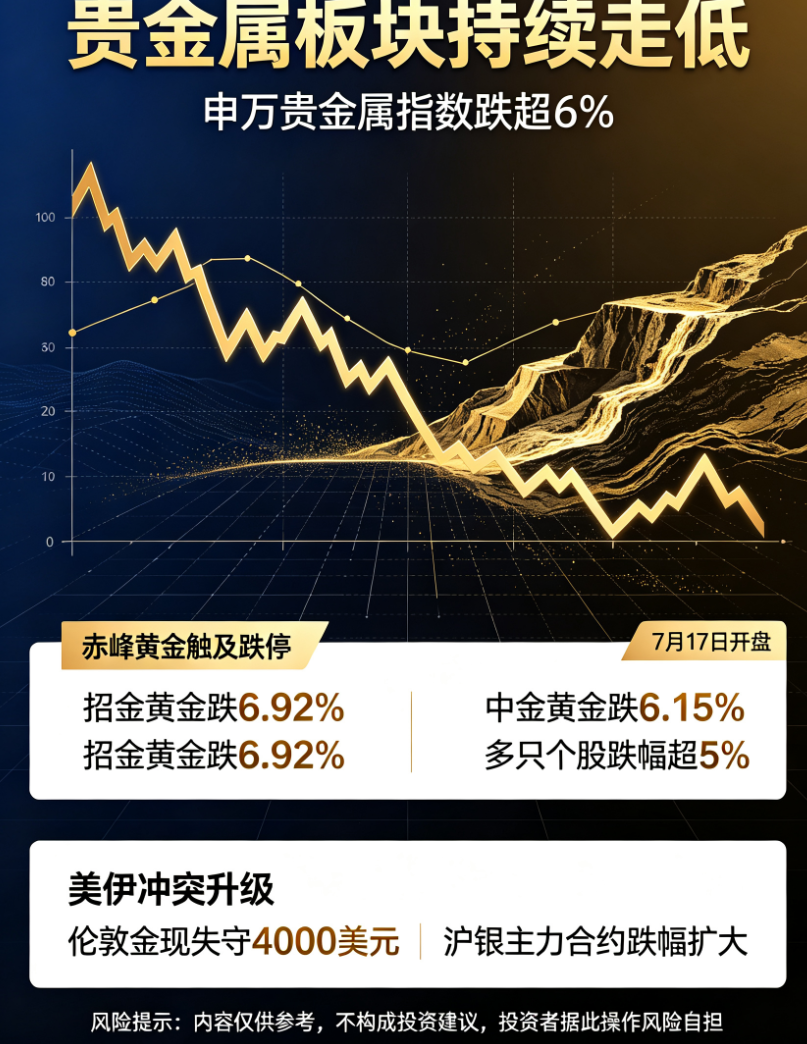
Recently, international gold prices have continued to strengthen, becoming a focal point of the global financial market. On October 15, international gold prices broke through $4,200/oz for the first time, setting a new record high, with cumulative gains of nearly 60% so far this year. Against the backdrop of rapidly rising prices and significantly increased volatility, the Shanghai Gold Exchange, ICBC, China Construction Bank and other institutions have successively issued risk warnings, reminding market participants to remain cautious and guard against investment risks caused by sharp price fluctuations.
1. Why Are Gold Prices Continuing to Rise?
From a market perspective, this round of gains in international gold prices is not driven by a single factor, but by the resonance of multiple variables. First, global geopolitical uncertainty persists, risk aversion continues to intensify, and gold, as a traditional safe-haven asset, has attracted capital inflows. Second, changing expectations regarding monetary policy paths in major economies have also pushed prices higher to some extent. If expectations for lower interest rates strengthen, the opportunity cost of holding gold falls, often drawing in more funds.
In addition, global inflation pressure, fluctuations in the U.S. dollar, and continued gold reserve accumulation by central banks around the world have also provided long-term support for gold prices. In international markets, gold is not only a commodity, but also a core asset with both financial and safe-haven attributes. When macro uncertainty rises, its price often shows stronger upside elasticity.
2. Behind the New Price High, Risk Has Expanded at the Same Time
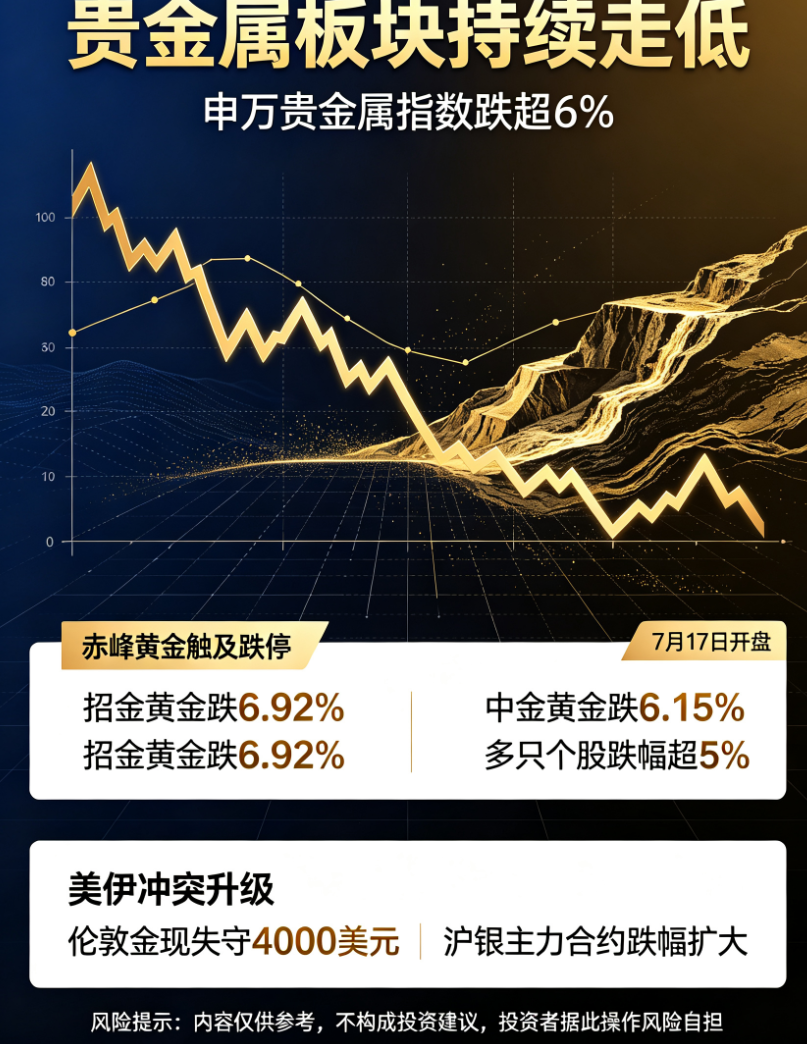
Although rising gold prices have brought some investors short-term gains, what deserves more attention is that market volatility is clearly intensifying. Gold does not only go up; especially at elevated levels, any policy change, a rebound in the U.S. dollar, or a recovery in risk appetite could trigger a rapid pullback. For ordinary investors, the risk of chasing prices at the top is increasing significantly.
In its alert, the Shanghai Gold Exchange explicitly pointed out that there are many factors recently affecting market stability, and international precious metals prices have been highly volatile. It requires all members to raise risk awareness, prepare contingency plans, and maintain stable market operations. At the same time, it also reminds investors to control positions prudently and invest rationally. The exchange's statement actually reflects that the precious metals market has entered a stage of "high volatility, high attention, and high risk."
3. What Signal Do the Frequent Bank Warnings Send?
Recently, many banks such as ICBC and China Construction Bank have successively issued risk warnings for precious metals investment, advising investors to arrange the scale of their precious metals holdings rationally based on their financial situation and risk tolerance. This series of actions shows that financial institutions are becoming increasingly cautious about the current gold price trend.
Banks are speaking out frequently, on the one hand, to protect investors. Although the threshold for precious metals investment appears low, prices are heavily influenced by the international market. If ordinary investors lack professional judgment, they can easily buy high in a rising market and panic-sell in a falling market, repeatedly trading and ultimately amplifying losses. On the other hand, banks are using risk warnings to guide clients back to the essence of asset allocation and to avoid treating gold as a "sure-win" tool.
4. How Should Ordinary Investors Respond?
Facing large gold-price swings, investors need to return to a rational framework to assess the role of gold. First, it should be clear that gold's main function in asset allocation is risk diversification, not short-term speculation. If the purpose is hedging or long-term allocation, a moderate holding is acceptable; if the goal is to profit through frequent trading, higher uncertainty must be borne.
Second, position management should be maintained. The allocation ratio of gold assets should match personal income stability, household debt levels, and risk tolerance. Blindly adding to positions, taking oversized positions, or using leverage should be avoided. Third, pay attention to differences among trading products. Physical gold, gold ETFs, accumulated gold savings, and paper gold differ in liquidity, cost, and risk characteristics; the rules should be fully understood before investing.
More importantly, investors should develop the awareness that "price increases do not mean lower risk." The hotter the market becomes, the more important it is to stay calm. Rather than chasing short-term gains, it is better to place gold within the overall asset allocation as one tool for hedging uncertainty.
5. Conclusion: High-Level Markets Test Investment Discipline More
International gold prices breaking through $4,200/oz reflects both stronger global risk aversion and rising macro uncertainty, and it is also a reminder of investors' risk awareness. The frequent risk warnings issued by the Shanghai Gold Exchange and multiple banks send a very clear core message: in an environment of sharp precious metals price volatility, rationality matters more than chasing gains, and risk control matters more than profit expectations.
For the market, gold's long-term value still exists; for individual investors, what truly deserves attention is not how much higher the price can go, but whether they have the ability to withstand volatility. Only on the premise of recognizing risks, controlling positions, and adhering to rational allocation can gold investment truly play the role of preserving assets and diversifying risk.